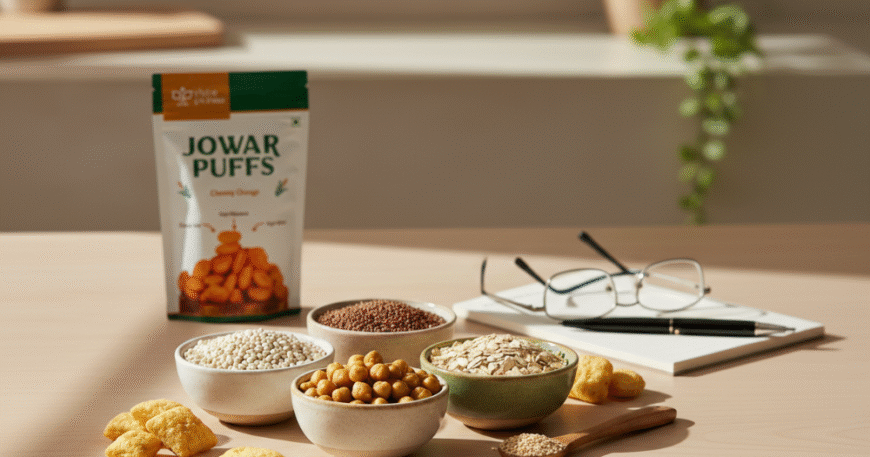
With growing awareness around food and wellness, snacking has come under closer scrutiny than ever before. Consumers today are more informed, more curious, and more skeptical of marketing claims. Words like baked, low fat, natural, or guilt-free appear on many packages, yet they do not always reflect nutritional quality. Understanding what makes a snack healthy requires looking beyond labels and focusing on how a snack supports the body between meals.
Understanding Healthy Snacking
From a nutritionist’s perspective, a healthy snack is not defined by trends or calorie counts alone. It is defined by how well it nourishes, sustains energy, and fits into a balanced diet.
The Real Purpose of Snacking
Snacking serves a functional role in daily nutrition. It helps bridge long gaps between meals, prevents excessive hunger, and supports consistent energy levels. When chosen wisely, snacks can improve concentration, stabilize blood sugar, and reduce overeating at main meals.
A healthy snack should:
- Support steady energy rather than quick stimulation
- Prevent extreme hunger
- Be easy to digest
- Complement meals rather than replace them
Snacks that fail to serve these purposes often contribute to fatigue, cravings, and poor food choices later in the day.
Ingredient Quality Is the Foundation of Healthy Snacking
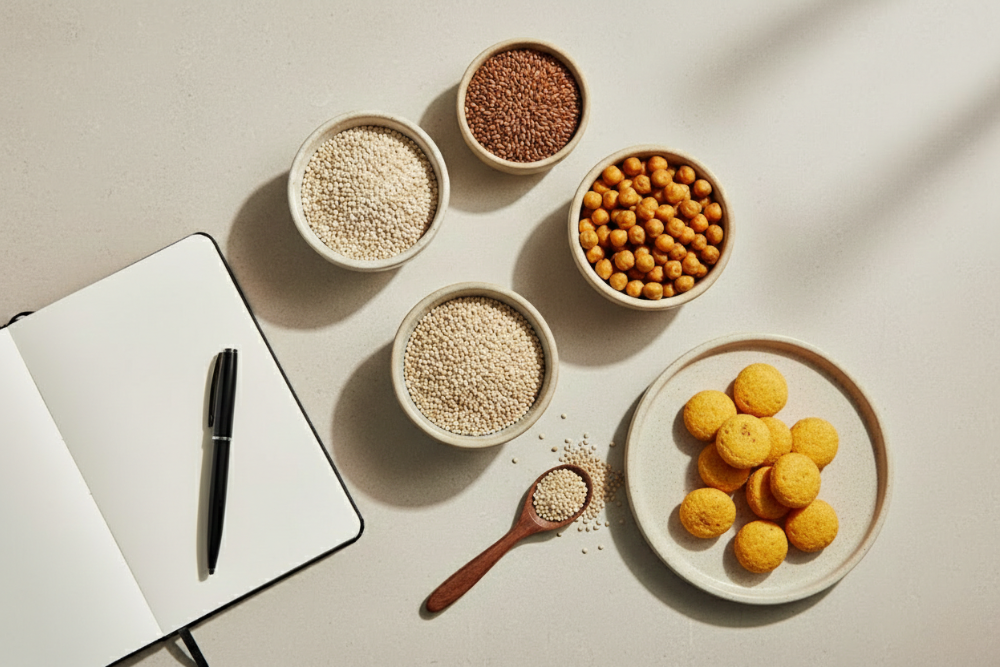
One of the most important principles in nutrition is that ingredient quality matters more than calorie count. A low-calorie snack made from refined flour and sugar does little to support health, while a nutrient-dense snack with slightly higher calories may offer far greater benefits.
To understand what makes a snack healthy, start with the ingredient list.
Healthy snacks typically prioritize:
- Whole grains such as jowar, ragi, quinoa, or oats
- Legumes like chickpeas or soya
- Natural sources of fibre and protein
- Minimal processing
Highly refined ingredients digest quickly and provide limited nourishment, which is why they lead to frequent hunger and energy crashes.
The Role of Fibre in Healthy Snacks
Fibre is one of the most overlooked yet critical components of a healthy snack. It slows digestion, improves gut health, and increases feelings of fullness.
Snacks rich in fibre:
- Prevent rapid spikes in blood sugar
- Support digestive regularity
- Help control appetite
- Reduce unnecessary snacking
Whole grains and millets naturally contain higher fibre than refined grains. This is why millet-based snacks are increasingly recommended in nutrition-focused diets.
Why Protein Matters in Snacking
Protein plays a vital role in regulating hunger and maintaining muscle health. Snacks that include protein are more effective at keeping you satisfied between meals.
Protein-rich snacks:
- Reduce hunger hormones
- Support muscle maintenance
- Improve satiety
- Prevent overeating at the next meal
Legume-based snacks, such as those made from chickpeas or soya, provide plant-based protein without the heaviness of fried foods.
Preparation Method Can Make or Break a Snack
How a snack is prepared is just as important as what it contains. Many snacks lose nutritional value during processing due to excessive oil or high heat.
From a nutrition standpoint:
- Baked or roasted snacks retain more nutritional integrity
- Fried snacks absorb oil, increasing calorie density
- Excess oil can cause digestive discomfort
Choosing baked snacks over fried options is one of the simplest ways to improve snack quality without changing portion size or flavour preferences.
The Hidden Problem with Sugary Snacks
Sugary snacks often provide immediate pleasure but fail nutritionally. They digest quickly, spike blood sugar, and lead to fatigue soon after.
Excess sugar in snacks can:
- Disrupt energy balance
- Increase cravings
- Affect mood and focus
- Contribute to long-term metabolic issues
A truly healthy snack limits added sugars and relies on natural flavours, spices, and whole ingredients for taste.
Sodium Balance and Flavor Integrity
Salt enhances flavour, but excessive sodium is a common issue in packaged snacks. High sodium intake can contribute to bloating and poor hydration balance.
Healthy snacks maintain flavour without relying on heavy salt. Balanced seasoning using herbs, spices, and natural flavour profiles improves taste while supporting overall wellness.
Portion Size and Mindful Consumption
Even the healthiest snack can become counterproductive if consumed in excessive quantities. Portion awareness is an important part of healthy snacking.
From a nutritionist’s perspective:
- Snacks should satisfy, not overwhelm
- Mindful eating improves digestion
- Packaging that supports portion control helps prevent overeating
Healthy snacking is not about restriction but about balance.
How to Read Snack Labels Effectively
Understanding what makes a snack healthy also involves label literacy. Reading snack labels empowers consumers to make informed choices.
When evaluating a snack label, look for:
- Short, recognizable ingredient lists
- Whole grains listed among the first ingredients
- Absence of artificial colours or preservatives
- Clear preparation methods such as baked or roasted
Avoid being influenced solely by front-of-pack claims.
Whole Foods Versus Ultra-Processed Snacks
Whole food-based snacks retain natural nutrients and fibre. Ultra-processed snacks often strip ingredients of their nutritional value and replace them with additives.
Whole food snacks:
- Support sustained energy
- Improve digestion
- Align better with long-term health goals
Modern snack formats that use whole grains and legumes bridge the gap between convenience and nutrition.
Building a Healthy Snacking Routine
Healthy snacking is not about perfection. It is about consistency and informed choices.
A balanced snacking routine includes:
- At least one fibre-rich snack daily
- One protein-focused snack
- Variety across grains and flavours
- Regular meal timing
Small, repeated choices have the greatest long-term impact.
Healthy Snacking for Different Lifestyles
Healthy snacks should adapt to lifestyle needs.
- For office workers, snacks should prevent sugar crashes
- For children, snacks should support growth and focus
- For active individuals, snacks should provide protein and energy
- For older adults, snacks should support digestion and bone health
Understanding context is essential when evaluating snack health.
Why Healthy Snacking Is a Long-Term Practice
Healthy snacking is not a temporary trend. It reflects a deeper shift toward mindful eating and preventive nutrition. Replacing even one poor-quality snack per day with a nutrient-dense option can lead to improvements in energy, digestion, and overall wellbeing.
Brands that prioritize whole ingredients, balanced seasoning, and baked preparation make it easier for consumers to sustain these habits.
Final Thoughts
Understanding what makes a snack healthy requires moving beyond marketing language and focusing on nutritional fundamentals. A healthy snack supports energy, digestion, and satiety while fitting naturally into daily life.
When snacks are built around whole ingredients, fibre, protein, and thoughtful preparation, they become a positive contributor to health rather than a compromise. Healthy snacking is not about denial. It is about alignment between food and the body’s needs.